Originally published 2026-03-23. This article reflects the market and media context at the time of publication.
The traditional media playbook is facing a crisis of diminishing returns. For decades, the industry has operated on a "bombardment" model—a relentless pursuit of reach and frequency designed to bludgeon a demographic into awareness. We have treated audiences as passive targets, defined by crude data points like age, gender, and postcode. But in a post-digital landscape where the average consumer is exposed to between 6,000 and 10,000 ads per day, the human brain has evolved a sophisticated defense mechanism: total indifference.
The data tells a sobering story. While the AI orchestration market is exploding—growing at a 23.7% CAGR to reach $48.7 billion by 2034—the effectiveness of traditional "spray and pray" digital advertising is plummeting. Click-through rates on display ads have hovered near statistical zero for years, and the rise of privacy-first browsing has rendered many traditional tracking methods obsolete. The question for the modern CMO is no longer "How many people can I reach?" but "Where do these people actually belong, and how can I join them?"
At ReMOTIVE Media, we believe the shift from bombardment to belonging is the most critical strategic pivot of the decade. This transition requires moving beyond demographic segments toward Community Intelligence. It is a philosophy that views audiences not as a collection of data points to be exploited, but as vibrant, self-organizing ecosystems of shared interests and values. To win in this environment, brands must stop trying to grab attention and start trying to earn a place within the community.
The Death of the Demographic: Why Segments Aren't Communities
For too long, media planning has relied on the "Average Person" fallacy. We aggregate millions of disparate individuals into a single bucket—"Men 18-34"—and assume they share a singular motivation. This is not just lazy strategy; it is a fundamental misunderstanding of how modern identity is constructed. In the post-digital era, identity is fluid, tribal, and interest-based. A 25-year-old gamer in Madrid may have more in common with a 50-year-old developer in Amsterdam than with his own next-door neighbor.
The bombardment model fails because it ignores context and intent. When we bombard a demographic, we are essentially shouting in a crowded room, hoping someone with the right ID badge hears us. Community Intelligence, by contrast, focuses on the "connective tissue" between people. It asks: What are the shared rituals? What is the vernacular? Where do they gather to solve problems or celebrate passions?
By leveraging our OESP (Objective → Ecosystem → Strategy → Plan) methodology, we help brands map these ecosystems before a single dollar is spent on media. We don't start with a channel; we start with the ecosystem. If your objective is to launch a sustainable fashion line, we don't just look for "women interested in clothes." We look for the communities discussing circular economies, the subreddits dedicated to garment repair, and the micro-influencers on platforms like Moti who are driving the conversation around ethical sourcing. This is Data by Design—using intelligence to find where belonging already exists.
Humanized Intelligence: Amplifying the "Why" Behind the "What"
The transition to community-based strategy is often hampered by a reliance on "cold" AI—automated systems that optimize for clicks without understanding culture. At ReMOTIVE, we champion Humanized Intelligence. This is the belief that while AI can process vast amounts of community data at scale, it requires human strategic intuition to interpret the nuances of belonging.
Consider the role of our proprietary platform, FOLLOW. While a standard programmatic tool might identify a high-traffic site for a campaign, FOLLOW analyzes the quality of engagement and the sentiment of the community surrounding that content. It distinguishes between a site people visit because they have to, and a platform they visit because they feel a sense of ownership. AI identifies the patterns; humans identify the passion.
When we use orchestrated AI to map these communities, we aren't just looking for reach. We are looking for "Cultural Nodes"—points in the digital ecosystem where influence is concentrated and trust is high. By moving from bombardment to belonging, brands can stop paying a "trust tax" (the extra spend required to overcome consumer skepticism) and instead benefit from the "community dividend" (the organic amplification that happens when a community adopts a brand as one of its own).
From Attention-Grabbing to Value-Creating
The shift to belonging requires a total rethink of creative and media activation. In the bombardment model, the goal of creative is to be "disruptive"—to break the user's flow and force them to look. In the belonging model, the goal is to be "additive." You are entering a conversation that is already happening; your presence must provide value to that conversation.
This is where RIVAL, our competitor intelligence profile platform, becomes indispensable. By understanding how competitors are still stuck in the bombardment cycle, we can identify "white spaces" where communities are being ignored or underserved. If every other brand in your category is using high-frequency pre-roll ads to interrupt a community's experience, the strategic move is to do the opposite: create utility.
Value creation can take many forms:
- Educational Utility: Providing deep-dive content that helps a community master a skill.
- Access: Giving a community early or exclusive access to products or experiences.
- Curation: Using the brand's resources to highlight the best work or ideas coming out of the community itself.
When a brand stops acting like an intruder and starts acting like a patron, the relationship changes. You are no longer "targeting" them; you are "powering" them. This is the essence of Making Different Happen. It is a refusal to accept that the only way to grow is to annoy people into submission.
The Post-Digital Community: Beyond Social Media
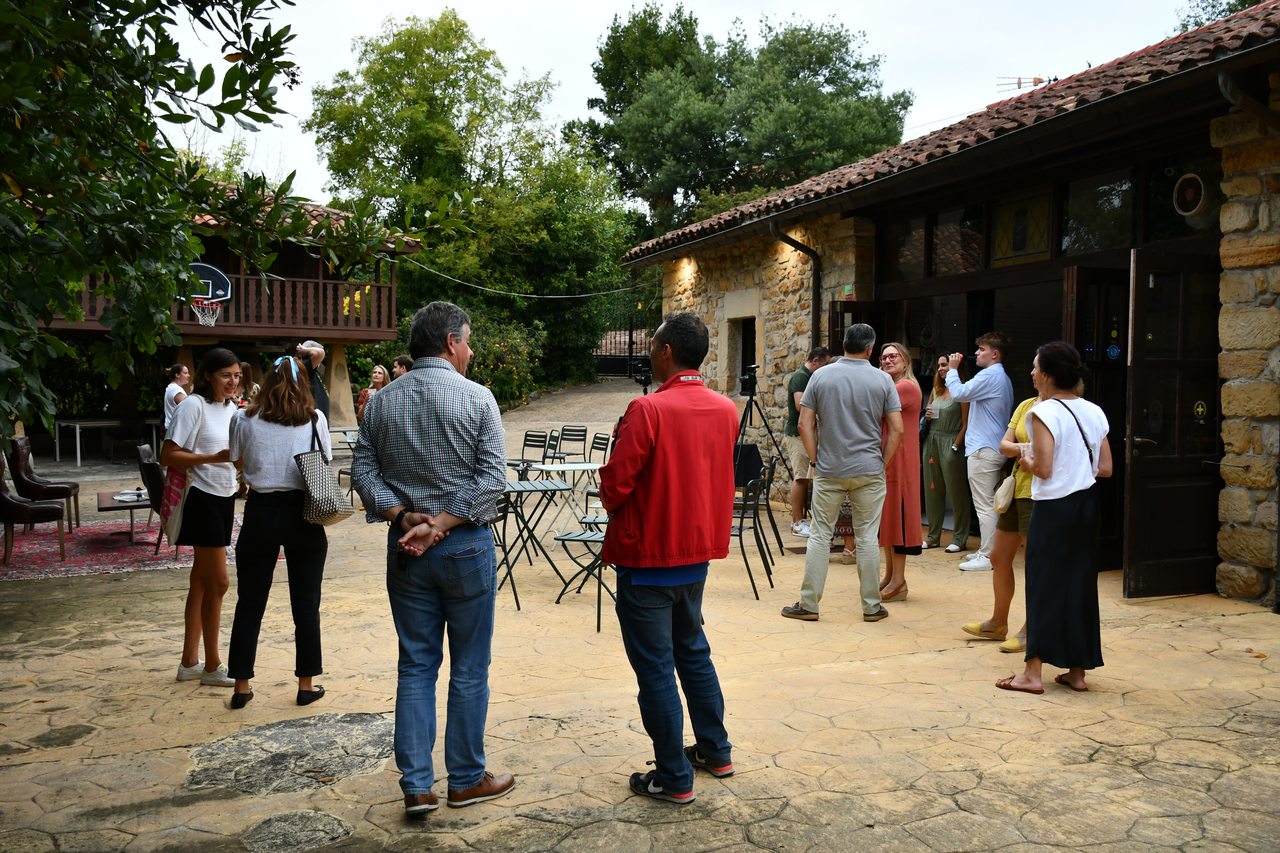
It is a common mistake to equate "community" solely with "social media." While platforms like Discord, Reddit, and TikTok are vital hubs, community intelligence extends far beyond the walled gardens of Big Tech. A community can exist around a specialized newsletter, a professional forum, a localized physical event, or even a shared set of data privacy concerns.
Our work with Data Clean Rooms is a prime example of this. In a privacy-first world, communities are increasingly protective of their data. By building strategies that prioritize privacy-first collaboration, brands can build a "community of trust." When users know their data is being used to enhance their experience within a community—rather than being sold to the highest bidder—they are more likely to engage deeply. This is a strategic advantage that no amount of traditional bombardment can replicate.
Why You Should Care
- Diminishing Returns are Real: As ad-blocking and privacy regulations (like the deprecation of third-party cookies) increase, the cost of reaching an indifferent audience is skyrocketing. Community-led strategies offer a more sustainable ROI.
- Trust is the New Currency: Consumers, especially Gen Z and Alpha, have a high "authenticity radar." They gravitate toward brands that show an organic understanding of their subcultures and values.
- Competitive Advantage: Most brands are still playing the reach game. By pivoting to a belonging strategy now, you can occupy the cultural high ground in your category before the "bombardment" market becomes completely untenable.
- Data Resilience: Community-based insights are rooted in first-party data and genuine engagement, making your strategy resilient to platform algorithm changes and privacy shifts.
Action Points
- Audit Your "Trust Tax": Review your current media performance. How much are you spending on high-frequency, low-engagement tactics? Calculate the "cost per meaningful interaction" rather than just CPM.
- Map Your Ecosystem with OESP: Move beyond demographics. Identify the top 3-5 high-affinity communities where your brand’s "Objective" aligns with the community's "Ecosystem." Use tools like RIVAL to see where your competitors are failing to engage these groups.
- Invest in Additive Content: Shift 20% of your creative budget from "disruptive" ads to "utility" content. Create something that solves a problem or enhances a ritual within your target community.
- Humanize Your Data: Don’t let the algorithm make all the decisions. Bring your strategic leads and community managers together to interpret the "Humanized Intelligence" provided by platforms like FOLLOW and Moti.
- Start a "Belonging" Pilot: Choose one niche community and execute a 90-day campaign where the primary KPI is "Community Sentiment" or "Earned Media Value" rather than just reach.
The era of media bombardment is ending, not because the technology has failed, but because the human element has been ignored. In a post-digital world, the brands that thrive will be those that realize they don't own the audience—they belong to them. At ReMOTIVE Media, we are here to help you navigate that shift, moving from the noise of the crowd to the power of the community. Let's make different happen.
Publication record
Originally published 2026-03-23.